
ΕΚΘΛΙΨΗ
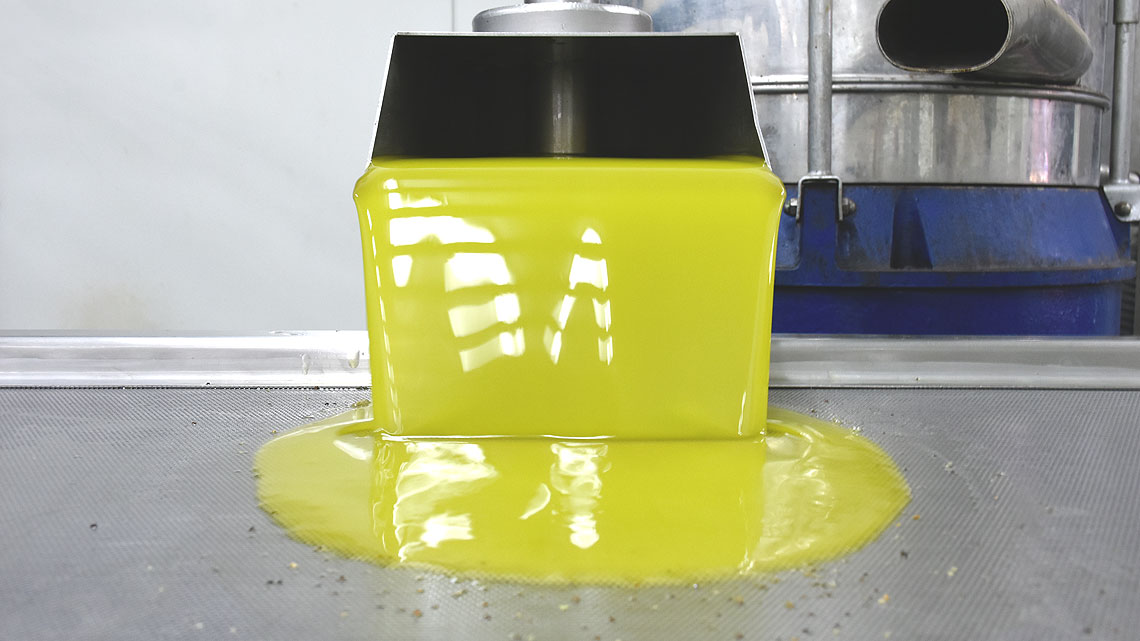
Η ποιότητα ενός βιολογικού, πολυφαινολικού εξαιρετικά παρθένου ελαιολάδου δεν είναι τυχαία∙ αποτελεί το αποτέλεσμα συνδυασμού επιστημονικής γνώσης, σύγχρονης τεχνολογίας και πιστής τήρησης καλών πρακτικών παραγωγής.
Στην περίπτωσή μας, επιλέγεται η χρήση διφασικού ελαιοτριβείου, μιας τεχνολογίας που έχει αποδειχθεί ότι προστατεύει καλύτερα τις πολυφαινόλες του ελαιολάδου. Το ελαιοτριβείο πλένεται και καθαρίζεται σχολαστικά πριν από την επεξεργασία, ώστε να αποφεύγεται κάθε πιθανή επιμόλυνση.
Ο ρόλος της μάλαξης
Η μάλαξη είναι το στάδιο όπου η πάστα της ελιάς αναδεύεται ήπια για συγκεκριμένο χρονικό διάστημα και σε ελεγχόμενη θερμοκρασία. Σε αυτήν ακριβώς τη φάση λαμβάνει χώρα η ενζυμική υδρόλυση των ελαιοευρωπαΐδων και η δημιουργία των πολύτιμων πολυφαινολών, όπως η ελαιοκανθάλη και η ελαιασίνη.
Σύμφωνα με τον οδηγό παραγωγής του Παγκόσμιου Κέντρου Ελιάς για την Υγεία (World Olive Center for Health), οι χρόνοι μάλαξης πρέπει να είναι περιορισμένοι, καθώς η παρατεταμένη διαδικασία μπορεί να οδηγήσει σε απώλειες πολυφαινολών και μείωση των αντιοξειδωτικών ιδιοτήτων.
Η θερμοκρασία: «ψυχρή έκθλιψη»
Η ιδανική θερμοκρασία μάλαξης και έκθλιψης κυμαίνεται μεταξύ 25ºC και 27ºC, δηλαδή πρόκειται για ψυχρή έκθλιψη.
-Σε υψηλότερες θερμοκρασίες (πάνω από 30–32ºC), η απόδοση σε λάδι ίσως αυξάνεται, αλλά οι πολυφαινόλες και τα αρωματικά συστατικά μειώνονται δραματικά.
-Σε χαμηλότερες θερμοκρασίες (<20ºC) διατηρείται καλύτερα το άρωμα, αλλά η απόδοση είναι περιορισμένη και η υφή του ελαιοπολτού δυσχεραίνει την επεξεργασία.
Έτσι, η ισορροπία θερμοκρασίας και χρόνου είναι το «κλειδί» για ένα ελαιόλαδο που συνδυάζει γεύση, άρωμα και υψηλή βιοδραστική αξία.
Γιατί όλα αυτά έχουν σημασία για τον καταναλωτή;
Οι πολυφαινόλες του ελαιολάδου είναι ενώσεις με ισχυρή αντιοξειδωτική και αντιφλεγμονώδη δράση, συμβάλλοντας στην προστασία της καρδιάς, στη μείωση του οξειδωτικού στρες και στη διατήρηση της καλής υγείας. Δεν είναι τυχαίο ότι ο Ευρωπαϊκός Κανονισμός EFSA 432/2012 επιτρέπει υγεία-claim μόνο στο ελαιόλαδο που περιέχει τουλάχιστον 5 mg υδροξυτυροσόλης και παραγώγων της ανά 20 g ελαιολάδου.
Με άλλα λόγια, η σωστή τεχνολογία παραγωγής και η σχολαστική τήρηση των πρωτοκόλλων μάλαξης δεν είναι απλώς θέμα ποιότητας∙ είναι άμεσα συνδεδεμένα με την υγεία και την ευεργετική δράση του ελαιολάδου στον οργανισμό.
Ενδεικτικές πηγές – Βιβλιογραφία
1. World Olive Center for Health. Production Guide for High Phenolic EVOO. (2019). [Οδηγός Παραγωγών – WOCH]
2. EFSA Panel on Dietetic Products, Nutrition and Allergies (2012). Scientific Opinion on the substantiation of health claims related to polyphenols in olive oil. EFSA Journal, 10(8): 2848.
3. Servili, M., et al. (2014). Health and sensory properties of virgin olive oil hydrophilic phenols: Agronomic and technological aspects of production that affect their occurrence in the oil. J Chromatogr A.
4. Taticchi, A., et al. (2013). Malaxation temperature affects volatile and phenolic composition of virgin olive oil. Food Chemistry, 136(1).
5. Rigakou, A., et al. (2021). Phenolic compounds in high quality olive oil: Impact on health and methods of analysis. Molecules.