
ΑΝΤΙΚΑΡΚΙΝΙΚΗ ΔΡΑΣΤΗΡΙΟΤΗΤΑ ΤΗΣ ΕΛΑΙΑΣΙΝΗΣ ΣΕ ΚΥΤΤΑΡΑ ΔΕΡΜΑΤΙΚΟΥ ΜΕΛΑΝΩΜΑΤΟΣ
22 Δεκ
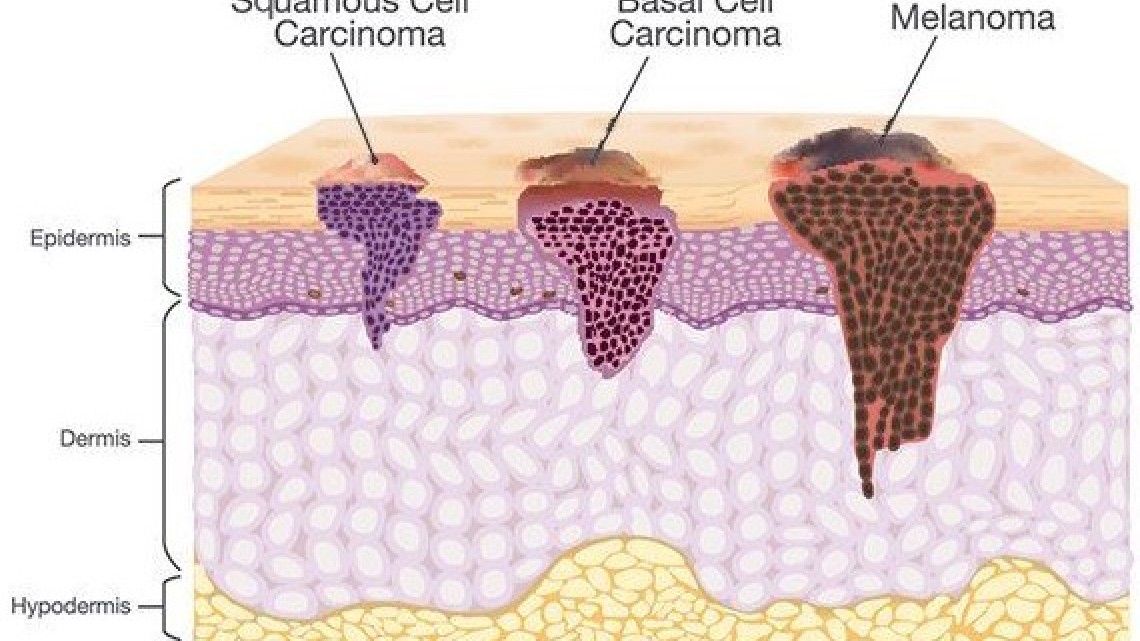
Το εξαιρετικό παρθένο ελαιόλαδο δεν είναι μόνο μια βασική τροφή της Μεσογειακής διατροφής, αλλά και μια πλούσια πηγή πολύτιμων πολυφαινολών. Μία από αυτές είναι η ελαιασίνη, που τα τελευταία χρόνια έχει τραβήξει την προσοχή των επιστημόνων για τις ισχυρές βιολογικές της δράσεις.
Μια πρόσφατη μελέτη της ερευνητικής ομάδας της Carpi έδειξε ότι η ελαιασίνη μπορεί να έχει σημαντική αντικαρκινική επίδραση σε κύτταρα δερματικού μελανώματος (ένα από τα πιο επιθετικά είδη καρκίνου του δέρματος).
Τι βρήκαν οι ερευνητές;
-Η ελαιασίνη αναστέλλει την ανάπτυξη των καρκινικών κυττάρων, επιβραδύνοντας τον πολλαπλασιασμό τους.
-Εμποδίζει τον φυσιολογικό κύκλο ζωής των καρκινικών κυττάρων (στη φάση G1/S), οδηγώντας τα σε καταστροφή του DNA.
-Ρυθμίζει βασικά γονίδια: μειώνει εκείνα που προστατεύουν τα καρκινικά κύτταρα από τον «κυτταρικό θάνατο» (π.χ. BCL2, MCL1) και αυξάνει την έκφραση της BAX, μιας πρωτεΐνης που τα οδηγεί σε απόπτωση (προγραμματισμένο θάνατο).
-Παράλληλα, η ελαιασίνη επηρεάζει μικρά μόρια ρύθμισης (miRNA), αυξάνοντας τα “καλά” miRNA που φρενάρουν τον καρκίνο (miR-193a-3p, miR-34a-5p, miR-16-5p) και μειώνοντας εκείνα που τον ευνοούν (miR-214-3p).
Τι σημαίνει αυτό για εμάς;
Η μελέτη πραγματοποιήθηκε in vitro (δηλαδή σε εργαστηριακά κύτταρα), οπότε δεν μπορούμε να μιλάμε ακόμα για άμεσες θεραπείες. Ωστόσο, τα αποτελέσματα είναι ιδιαίτερα ενθαρρυντικά: η ελαιασίνη φαίνεται να δρα σε πολλά επίπεδα ταυτόχρονα, χτυπώντας τον καρκίνο του δέρματος από διαφορετικές “πλευρές” – αναστέλλοντας την ανάπτυξή του και ενεργοποιώντας μηχανισμούς καταστροφής των καρκινικών κυττάρων.
Συμπέρασμα
Η ελαιασίνη, μία φυσική πολυφαινόλη του ελαιολάδου, δείχνει να διαθέτει αντικαρκινικές ιδιότητες απέναντι στο μελάνωμα, μέσω της ρύθμισης γονιδίων και μορίων miRNA. Αυτή η έρευνα επιβεβαιώνει για άλλη μια φορά ότι το εξαιρετικό παρθένο ελαιόλαδο δεν είναι απλώς μια γευστική επιλογή, αλλά και ένας πραγματικός θησαυρός για την υγεία μας.
Μια πρόσφατη μελέτη της ερευνητικής ομάδας της Carpi έδειξε ότι η ελαιασίνη μπορεί να έχει σημαντική αντικαρκινική επίδραση σε κύτταρα δερματικού μελανώματος (ένα από τα πιο επιθετικά είδη καρκίνου του δέρματος).
Τι βρήκαν οι ερευνητές;
-Η ελαιασίνη αναστέλλει την ανάπτυξη των καρκινικών κυττάρων, επιβραδύνοντας τον πολλαπλασιασμό τους.
-Εμποδίζει τον φυσιολογικό κύκλο ζωής των καρκινικών κυττάρων (στη φάση G1/S), οδηγώντας τα σε καταστροφή του DNA.
-Ρυθμίζει βασικά γονίδια: μειώνει εκείνα που προστατεύουν τα καρκινικά κύτταρα από τον «κυτταρικό θάνατο» (π.χ. BCL2, MCL1) και αυξάνει την έκφραση της BAX, μιας πρωτεΐνης που τα οδηγεί σε απόπτωση (προγραμματισμένο θάνατο).
-Παράλληλα, η ελαιασίνη επηρεάζει μικρά μόρια ρύθμισης (miRNA), αυξάνοντας τα “καλά” miRNA που φρενάρουν τον καρκίνο (miR-193a-3p, miR-34a-5p, miR-16-5p) και μειώνοντας εκείνα που τον ευνοούν (miR-214-3p).
Τι σημαίνει αυτό για εμάς;
Η μελέτη πραγματοποιήθηκε in vitro (δηλαδή σε εργαστηριακά κύτταρα), οπότε δεν μπορούμε να μιλάμε ακόμα για άμεσες θεραπείες. Ωστόσο, τα αποτελέσματα είναι ιδιαίτερα ενθαρρυντικά: η ελαιασίνη φαίνεται να δρα σε πολλά επίπεδα ταυτόχρονα, χτυπώντας τον καρκίνο του δέρματος από διαφορετικές “πλευρές” – αναστέλλοντας την ανάπτυξή του και ενεργοποιώντας μηχανισμούς καταστροφής των καρκινικών κυττάρων.
Συμπέρασμα
Η ελαιασίνη, μία φυσική πολυφαινόλη του ελαιολάδου, δείχνει να διαθέτει αντικαρκινικές ιδιότητες απέναντι στο μελάνωμα, μέσω της ρύθμισης γονιδίων και μορίων miRNA. Αυτή η έρευνα επιβεβαιώνει για άλλη μια φορά ότι το εξαιρετικό παρθένο ελαιόλαδο δεν είναι απλώς μια γευστική επιλογή, αλλά και ένας πραγματικός θησαυρός για την υγεία μας.
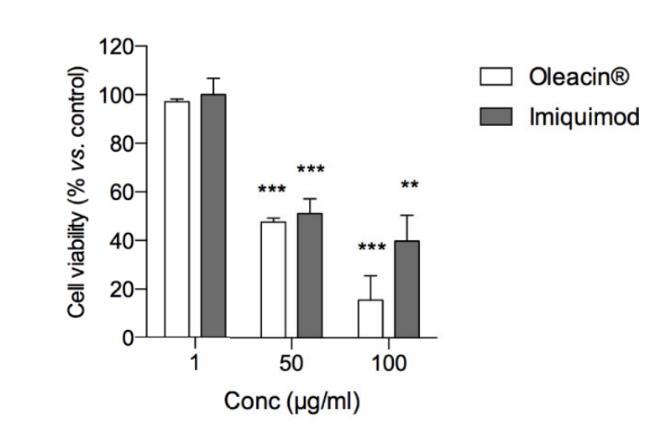
Fig| Oleacin® and Imiquimod decrease 501Mel cell viability, 501Mel cells were treated with 1, 50, and 100 µg/ml of
either Oleacin® or Imiquimod. Growth inhibition was measured at 72 h