
ΑΠΟΘΗΚΕΥΣΗ
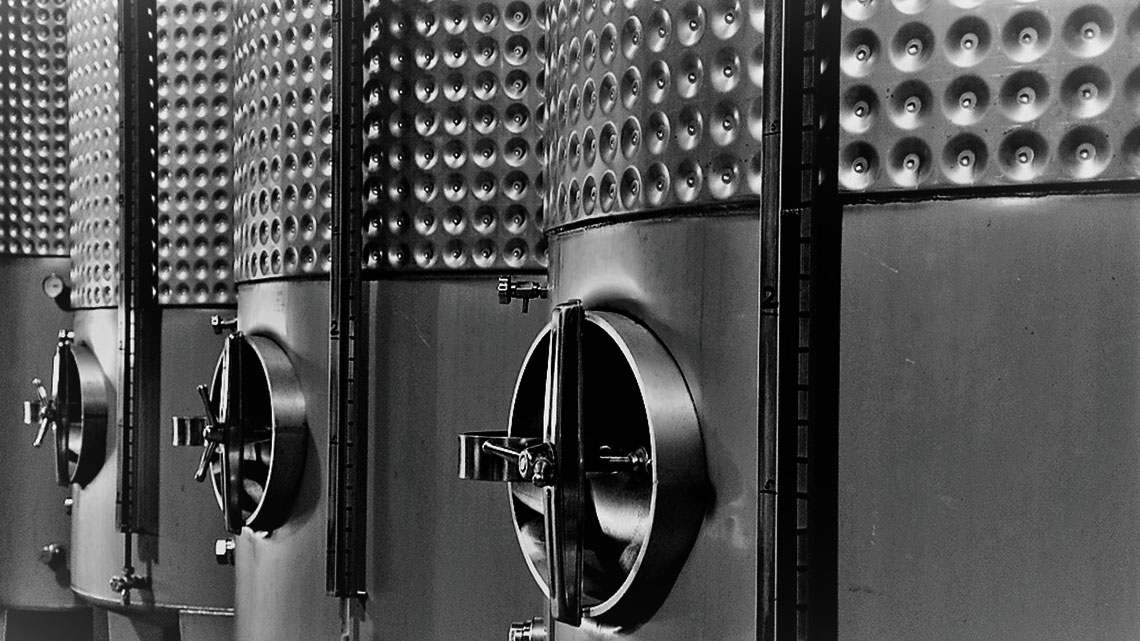
Η αξία ενός πολυφαινολικού έξτρα παρθένου ελαιολάδου δεν εξαρτάται μόνο από την παραγωγή του, αλλά και από τον τρόπο με τον οποίο συντηρείται. Οι πολύτιμες πολυφαινόλες του είναι ιδιαίτερα ευαίσθητες και μπορούν εύκολα να μειωθούν αν το προϊόν εκτεθεί σε φως, οξυγόνο ή ακατάλληλη θερμοκρασία.
Για αυτόν τον λόγο:
-Αποθήκευση σε ανοξείδωτες δεξαμενές
Οι δεξαμενές από ανοξείδωτο χάλυβα προσφέρουν τη μέγιστη προστασία από το φως και τον αέρα, διατηρώντας αναλλοίωτα τα οργανοληπτικά και θρεπτικά χαρακτηριστικά του ελαιολάδου.
-Απομάκρυνση οξυγόνου με αδρανή αέρια
Η χρήση αζώτου (N₂) ή αργόν (Ar) για την εκδίωξη του οξυγόνου εμποδίζει τις οξειδωτικές αντιδράσεις που μειώνουν τη σταθερότητα και το άρωμα του ελαιολάδου.
-Σταθερή θερμοκρασία αποθήκευσης
Η ιδανική θερμοκρασία αποθήκευσης είναι μεταξύ 13–15°C, καθώς σε υψηλότερες θερμοκρασίες επιταχύνονται οι οξειδώσεις και σε χαμηλότερες μπορεί να δημιουργηθούν κρύσταλλοι που αλλοιώνουν την υφή.
Συμπέρασμα:
Η σωστή φροντίδα στη συντήρηση είναι εξίσου σημαντική με την ίδια την παραγωγή. Μόνο έτσι το ελαιόλαδο φτάνει στον καταναλωτή πλούσιο σε πολυφαινόλες, με το άρωμα και τη γεύση που του δίνει ο καρπός της ελιάς.
Ενδεικτικές πηγές – Αναφορές
1. International Olive Council (IOC). Trade Standard Applying to Olive Oils and Olive-Pomace Oils (COI/T.15/NC No 3/Rev. 14, 2021).
2. EFSA Panel on Dietetic Products, Nutrition and Allergies (2011). Scientific Opinion on the substantiation of health claims related to polyphenols in olive oil. EFSA Journal 9(4): 2033.
3. Gómez-Alonso, S., Salvador, M. D., & Fregapane, G. (2003). Phenolic compounds profile of Cornicabra virgin olive oil. Journal of Agricultural and Food Chemistry, 51(3), 633–640.
4.Inarejos-García, A. M., Salvador, M. D., & Fregapane, G. (2010). Effect of storage on the quality of extra virgin olive oil containing natural antioxidants. Journal of Agricultural and Food Chemistry, 58(5), 2666–2673.
5. Kiritsakis, A., & Shahidi, F. (2017). Olive Oil: Chemistry and Technology (2nd ed.). AOCS Press.